


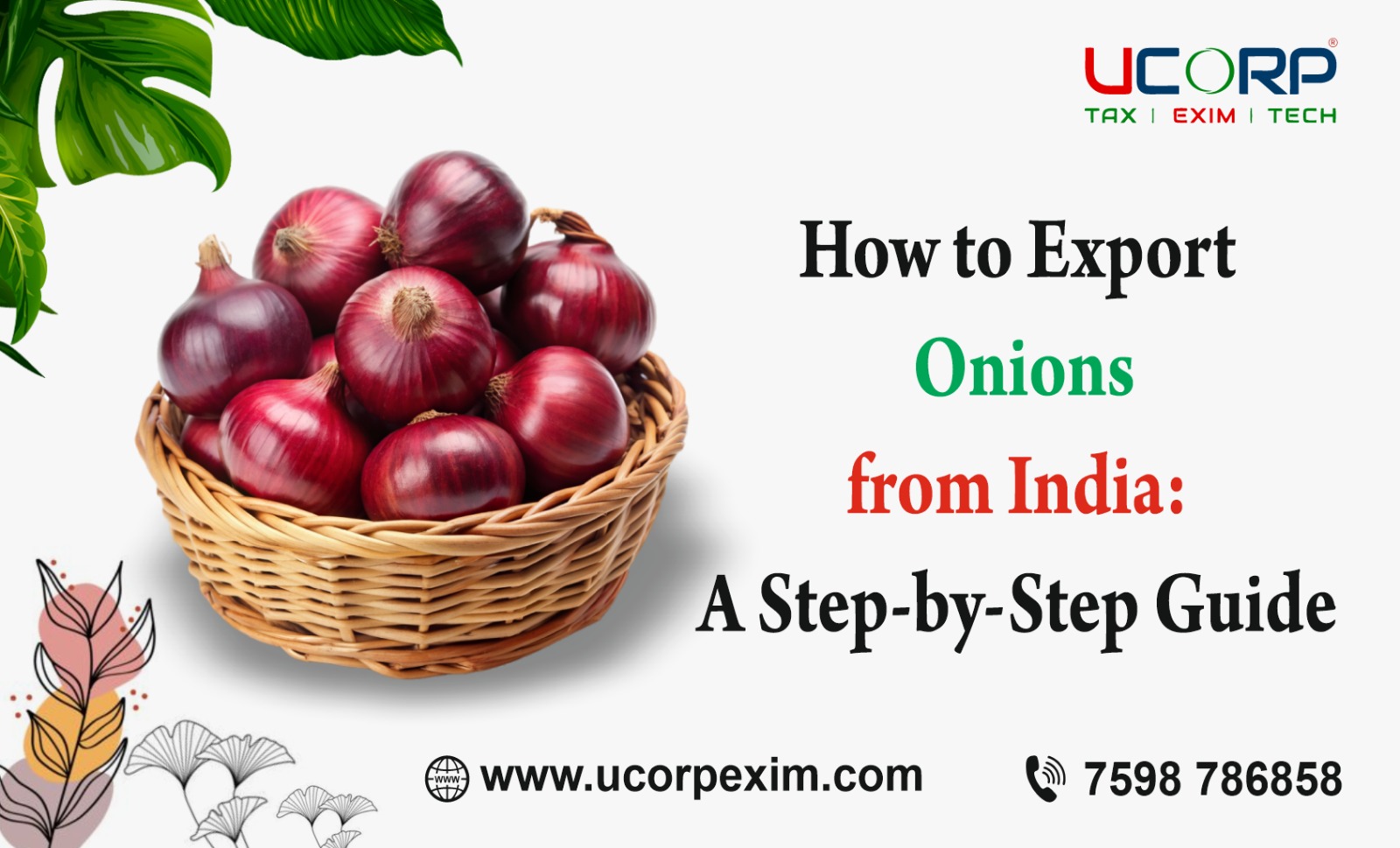
How to Export Potatoes from India: A Step-by-Step Guide
1. Set Up Your Export Business
To start exporting, you need:
A registered business entity (Proprietorship, Partnership, LLP, or Pvt Ltd)
GST Registration
Current account with a bank authorized for foreign exchange
2. Obtain an Importer Exporter Code (IEC)
Mandatory for all exporters
Apply online at the DGFT Portal
No renewal required; it's a lifetime code
3. Register with APEDA
Since potatoes are an agricultural commodity, registration with APEDA (Agricultural and Processed Food Products Export Development Authority) is mandatory.
Get access to export support schemes, training, and documentation assistance
4. Check Current Export Policy
Potatoes are generally allowed for export, but sometimes subject to:
Minimum Export Price (MEP)
Export restrictions
Quality norms by DGFT or APEDA
Check updates at:
DGFT Portal
APEDA Notifications
5. Select Market and Find Buyers
Popular importers of Indian potatoes include:
Sri Lanka,UAE,Malaysia,Indonesia,Oman,Nepal,Bangladesh
How to find buyers:
B2B platforms (Alibaba, TradeIndia, IndiaMART)
APEDA’s export promotion programs
LinkedIn and other networking channels
International food expos and trade fairs
6. Ensure Quality & Grading
Sort potatoes based on size, weight, color, and defects
Ensure compliance with buyer country quality standards
Use APEDA's quality guidelines and get pre-shipment inspection if required
7. Packaging & Labeling
Use mesh, jute, or perforated plastic bags (10kg, 25kg, or 50kg)
Ensure ventilation and protection from damage
Label each bag/carton with:
Product name
Weight
Grade
Country of origin
Exporter details
8. Transportation & Cold Chain
Use refrigerated containers if long-distance or for higher shelf life
Commonly shipped via sea freight
Engage a reliable freight forwarder and Custom House Agent (CHA)
9. Required Documents
Prepare and submit the following:
Document Description
Commercial Invoice Sale invoice to the buyer
Packing List Details of quantity and packaging
Bill of Lading / Airway Bill Shipping proof
Certificate of Origin From local Chamber of Commerce
Phytosanitary Certificate From Plant Quarantine for compliance with plant health norms
Fumigation Certificate If required by importing country
Shipping Bill Generated through ICEGATE (Customs portal)
Insurance Certificate If shipment is insured
10. Customs Clearance
File the shipping bill on the ICEGATE portal
Clear inspection by customs and quarantine
Get the cargo loaded and shipped
11. Receive Payment
Common payment terms:
Advance Payment
Letter of Credit (LC)
Documents Against Payment (D/P)
Consider using ECGC (Export Credit Guarantee Corporation) for payment risk protection.
12. Post-Export Formalities
Maintain all records for audit and compliance
Claim eligible incentives under:
RoDTEP (Remission of Duties and Taxes on Exported Products)
APEDA/MoFPI schemes
File for GST refund, if applicable
If you are a fresher in the Business.
Join our Startup Export Training .
For more details.
Visit www.ucorpexim.in or Contact 7598 404848
If you have basic about the Export Business.
Join our Advanced Realtime Export Training.
For more details.
Visit www.ucorpareto.com or Contact 7598 424848
#export #exporter #exportimport #exports #importexport #exportproduct #exportbusiness #exportbag #exportquality #exportindia #exporting #exportimportdata #eximedia #indiaexport #indiaexports #indiaexporters #indiaexportimport #indiabusiness #ucorpexim #exporttraining#exportstraining #exportertraining #exporterstraining #importtraining #importstraining #importertraining #importerstraining #ucorp
share News