


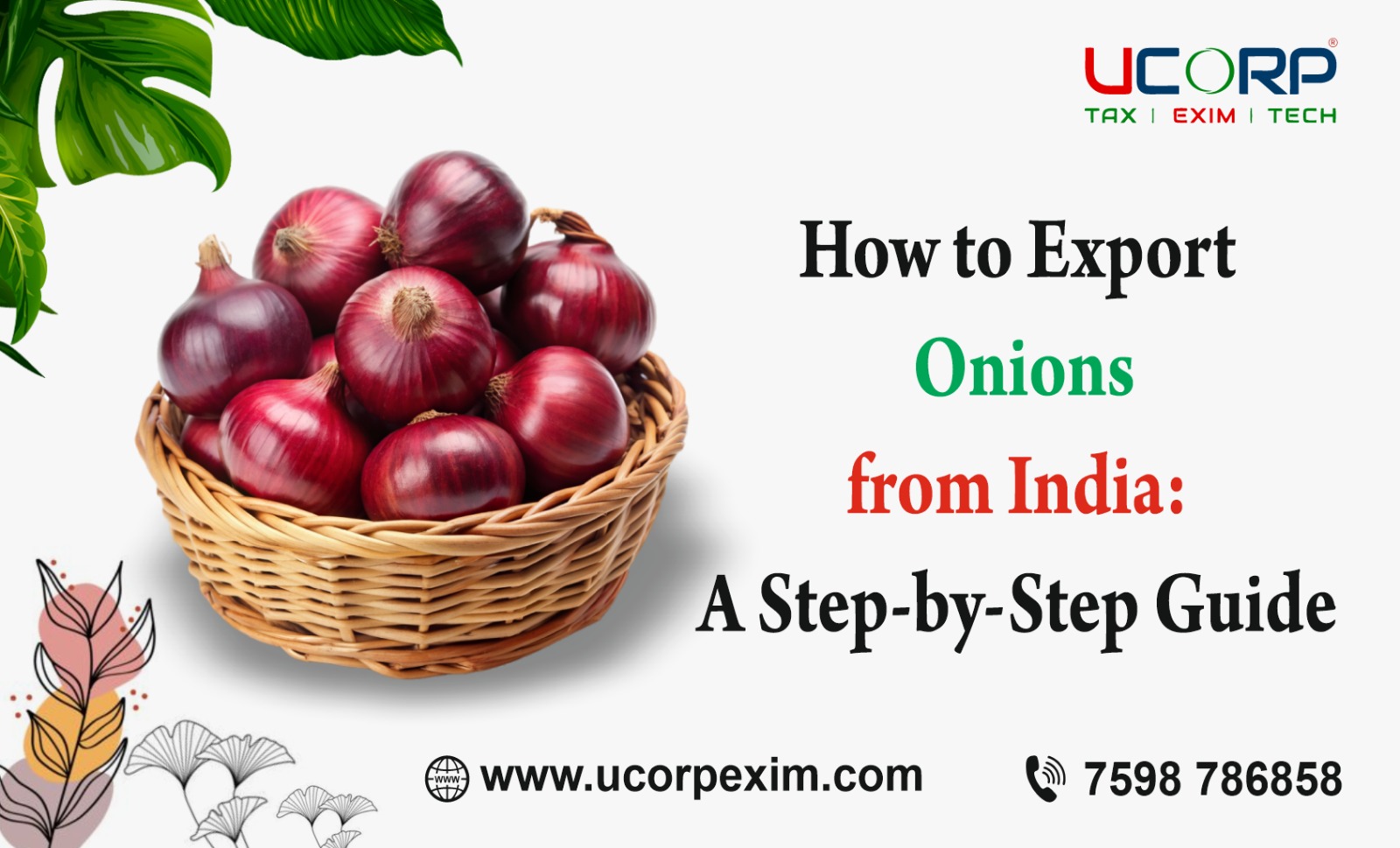
How to Export Shallots from India: A Step-by-Step Guide
Step 1: Understand Market Demand and Regulations
1. Research Target Market:
Identify countries with demand for Indian shallots (e.g., UAE, Sri Lanka, Malaysia, etc.).
Understand their import norms, quality standards, and packaging requirements.
2. HS Code for Shallots:
The Harmonized System (HS) Code for shallots is typically 070310 (for fresh or chilled onions and shallots).
3. Know Export Restrictions:
Check if there's a minimum export price (MEP) or any export ban/quotas in place (updated via the Directorate General of Foreign Trade – DGFT or APEDA).
Step 2: Business and Legal Registration
1. Company Registration:
Register your business as a sole proprietorship, partnership, LLP, or private limited company.
2. Get a PAN Card:
Obtain a Permanent Account Number (PAN) for the business.
3. Import Export Code (IEC):
Mandatory for exports. Apply through the DGFT portal.
Step 3: Product Sourcing and Grading
1. Source Shallots:
Partner with reliable farmers or aggregators in states like Tamil Nadu, Karnataka, or Maharashtra.
2. Quality Standards:
Sort, clean, and grade shallots based on size, color, and firmness.
Ensure they are free from mold, pests, or chemical residue.
3. APEDA Registration (Optional but Recommended):
Register with the Agricultural and Processed Food Products Export Development Authority (APEDA) to get access to export incentives and support.
Step 4: Packaging and Labeling
1. Follow International Standards:
Use ventilated mesh bags, jute sacks, or cartons.
Ensure packaging prevents spoilage and is export-compliant.
2. Labeling Requirements:
Include details such as:
Product name (Shallots)
Net weight
Country of origin (India)
Packaging date and batch number
Exporter details
Step 5: Logistics and Documentation
1. Documents Required:
Invoice & Packing List
IEC Certificate
Phytosanitary Certificate (issued by Plant Quarantine Department)
Certificate of Origin (from Chamber of Commerce)
Bill of Lading or Airway Bill
Shipping Instructions
FSSAI Certificate (if applicable)
2. Choose Shipping Method:
Air freight for faster delivery
Sea freight for larger consignments
3. Customs Clearance:
Hire a CHA (Customs House Agent) to handle clearance.
File a shipping bill with Indian Customs.
Step 6: Find Buyers and Export
1. Marketing Channels:
B2B platforms: Alibaba, Indiamart, TradeIndia, ExportHub
Attend trade fairs (organized by APEDA or FIEO)
Use LinkedIn or business directories to connect with importer
2. Finalize Export Deal:
Negotiate pricing (CIF/FOB terms)
Get advance payment or secure a letter
Step 7: Post-Export Compliance and Follow-Up
1. Track Shipment and provide updates to the buyer.
2. Collect Payment as per agreed terms.
3. Maintain Records for audits, taxation, and DGFT filings.
Additional Tips:
Stay updated with DGFT notifications on export policy.
Monitor price fluctuations and market trends.
Work with a freight forwarder for logistics support.
If you are a fresher in the Business.
Join our Startup Export Training .
For more details.
Visit www.ucorpexim.in or Contact 7598 404848
If you have basic about the Export Business.
Join our Advanced Realtime Export Training.
For more details.
Visit www.ucorpareto.com or Contact 7598 424848
#export #exporter #exportimport #exports #importexport #exportproduct #exportbusiness #exportbag #exportquality #exportindia #exporting #exportimportdata #eximedia #indiaexport #indiaexports #indiaexporters #indiaexportimport #indiabusiness #ucorpexim #exporttraining#exportstraining #exportertraining #exporterstraining #importtraining #importstraining #importertraining #importerstraining #ucorp

share News